
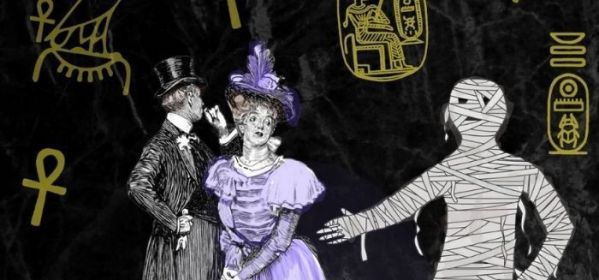
Today mummies come to life in horror stories and haunt us at Halloween, but in Victorian England, they could be found in many upper-class parlors. The Victorians even had mummy unrolling parties to peek inside those ancient bandages.

A Mummy Unrolling Party
Just imagine…
You get an invitation to Lord Smith’s manor. It says, “You’re invited to a mummy unrolling. Please arrive by 6:00 pm.”
You get dressed up in your finest garb and wear some Egyptian inspired jewels – or even real pieces that have been acquired in Egypt.
When you arrive, you’re ushered into the dimly lit parlor which has been made to look like the inside of an Egyptian tomb. The walls are draped with dark fabric painted with hieroglyphs, and there’s Egyptian-style music playing. Candles, Egyptian statues, and scarabs cover every surface.
Your eyes are drawn to the center of the room where a full-size mummy casket is lying on a table. As many chairs as will fit in the room are arranged all around the table, but instead of sitting, you go up to the table, where others have congregated, to get a close-up view of the casket. You marvel at the decoration and how the colors have remained so bright.

Let the Good Times Un-Roll
Then Lord Smith announces it’s time to start, and everyone takes their seats. The air is vibrating with anticipation. He talks about his trip to Egypt and tells how he risked his life by going into a dark and dangerous cave to find this very mummy. This mummy who walked those desert sands thousands of years before Christ. The hieroglyphs on the casket tell us that this was a noble man, so we can expect to find amulets, necklaces, and rings inside.
Lord Smith and his two assistants ceremoniously lift the lid off the casket. Everyone cranes their necks to see inside. Then two men lift up the mummy while the other one removes the casket so they can place the corpse directly on the table. All is still.
Lord Smith, who has been to Egypt many times, explains a bit of the mummification process as he begins to snip at the mummy’s bandages. As he cuts off pieces, he passes them around for people to smell. The pungent odor is from the ointments and spices used in the process. One woman feels sick and leaves the room.
There’s a lump under the wrapping and Lord Smith pulls out a turquoise amulet. Since he has many of these, he gifts it to one of the ladies in the front row. He keeps snipping and finds more jewelry which he distributes among the guests. You didn’t get any jewelry? Not to worry, everyone will go home with a piece of mummy wrapping as a souvenir of the evening.

All is Revealed
Finally, all the cloth is removed, and you are faced with a naked mummy. His skin is black and tight against his bones. You have a mixed reaction. It’s fascinating to see someone so long dead, and you can’t help but look at that face. But you’re a little uncomfortable. Maybe you should look away. He is (or was) a human being, after all.
Everyone shuffles a bit in their seats. But the show isn’t over. Lord Smith and his assistants lift the mummy off the table into a standing position. They begin walking the corpse around the room and having him shake hands with the guests. This brings on a nervous laughter, and the show is concluded. Lord Smith announces that everyone is now welcome to go to the dining room for drinks.
What an evening! But scenes like this were not uncommon.

Egyptomania
During the 19th century, a strange and contagious malady swept across Britain (and France and America). It was called Egyptomania and it caused Victorian men and women to go mad for everything Egyptian.
In the 19th century, everyone who was anyone made a trip to Egypt. And they all brought back trunks full of souvenirs. These “souvenirs” included pieces chipped off the great monuments, items from tombs (either bought or found), and, most disturbingly, mummies. Nearly everyone brought back a mummy, either a full one or a partial one: heads, hands or feet were often displayed in glass domes on the mantle.

How to get a Mummy
In early Victorian times, the sands of the Egyptian desert were believed, by both Europeans and Egyptians, to contain an unlimited supply of mummies. Ancient Egyptians of all classes were mummified, so there were lots and lots of mummies. The Egyptian museums were bursting at the seams and set up sales rooms to get rid of their excess mummies.
Many common folk among the ancient Egyptians were buried in mass graves, similar to catacombs, with niches in the walls for corpses. These were called mummy pits and they were basically mined for mummies to sell to Europeans. Victorian men and women could also climb down into these treacherous tunnels themselves and choose their own mummy.

Mummies as Entertainment
As we’ve seen above, the Victorians saw mummies as a source of entertainment and held mummy unrolling parties. But What Happened to the Mummy After the Party?
After Lord Smith’s mummy unrolling party, what did he do with the mummy? It’s possible that he burned it in the fireplace or maybe he just threw it out with the rubbish. Or, maybe he sold it. Mummies were treated as a natural resource, and there were industrial uses for them: They could be ground up and used in fertilizer, perfume, or a pigment for a paint color called “mummy brown.”

Mummies in Literature
By the early 1900s, the supply of Egyptian mummies had dwindled away, and parties like Lord Smith’s had fallen out of fashion.But scenes of mummies being unwrapped and walked around the room probably inspired the gothic horror stories of the day. Reanimated mummies and mummy curses became popular subjects for fiction.
Today, we think it shameful to treat human bodies that way, but I guess it was just a different time with different morals. The ancient Egyptians went to a lot of trouble to preserve their bodies for their afterlife, and in a strange and distasteful way, maybe the Victorians did provide them with a sort of afterlife – even though I’m sure it wasn’t the one they had hoped for.


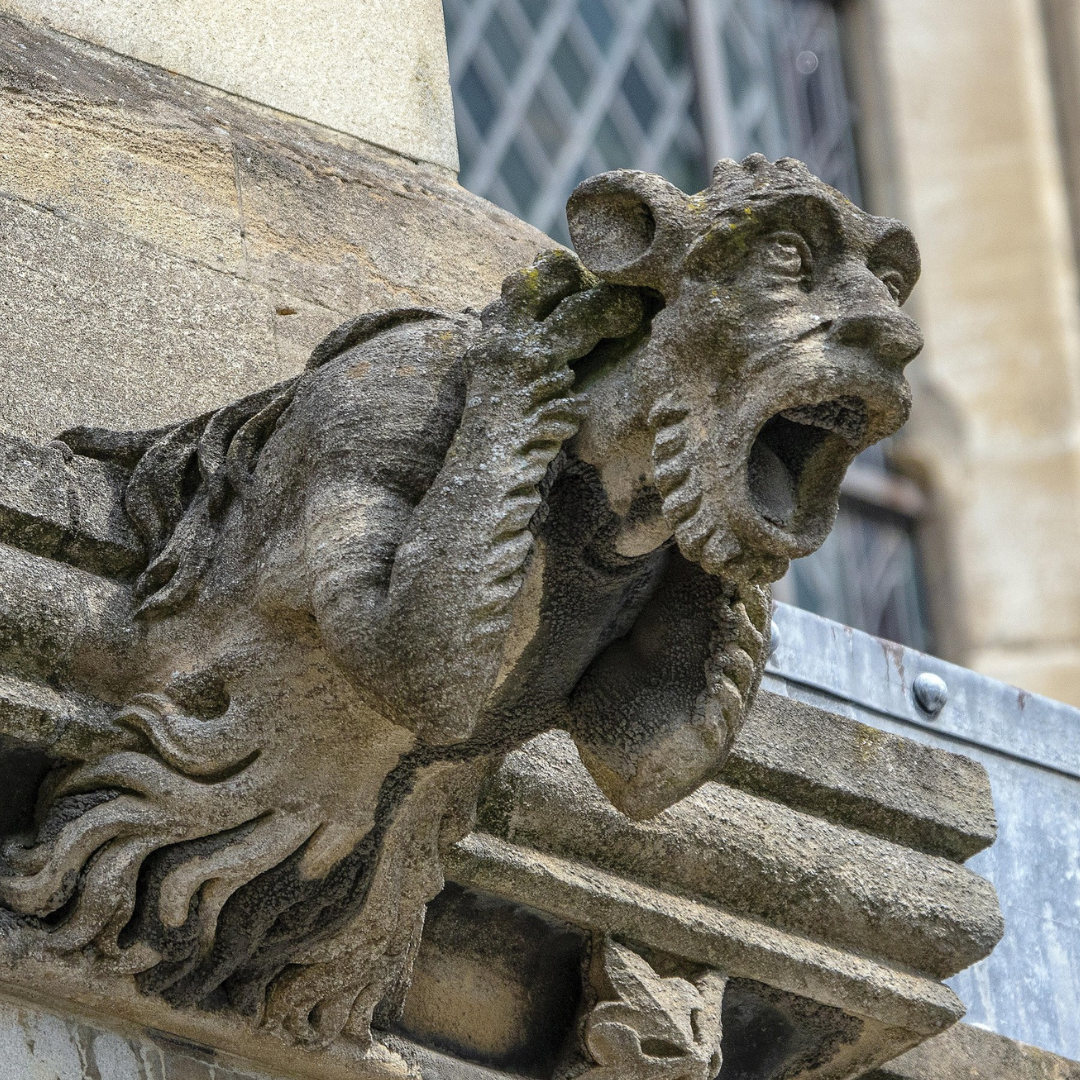
- Everything You Ever Wanted to Know About Gargoyles and Grotesques – 22 April 2026
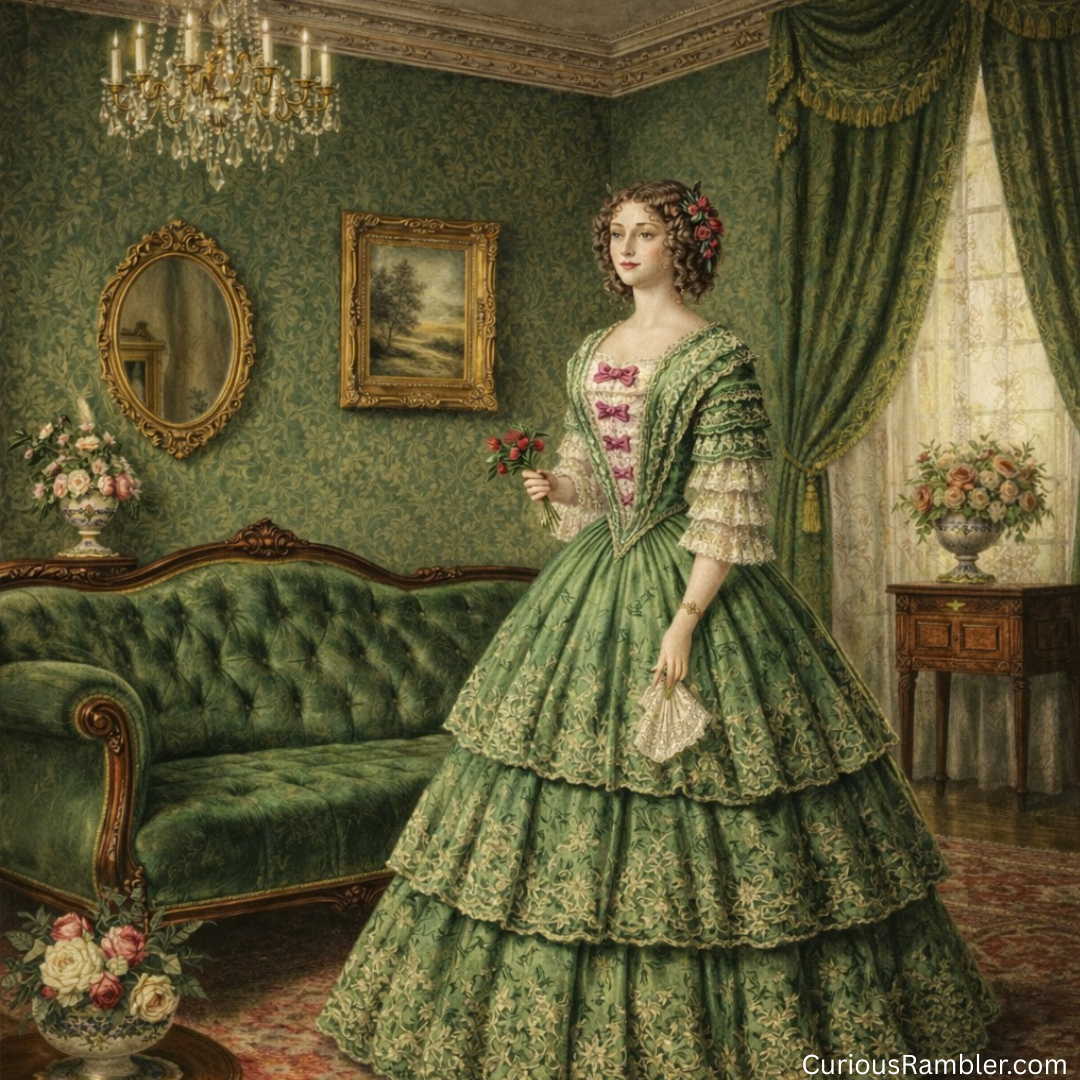
- Victorians Were Keen on Green: Wallpaper to Die For – 14 April 2026
- Curious History Review: April 2026 – 2 April 2026


COMMENT HERE: Can't wait to hear what you think… (email not required)